
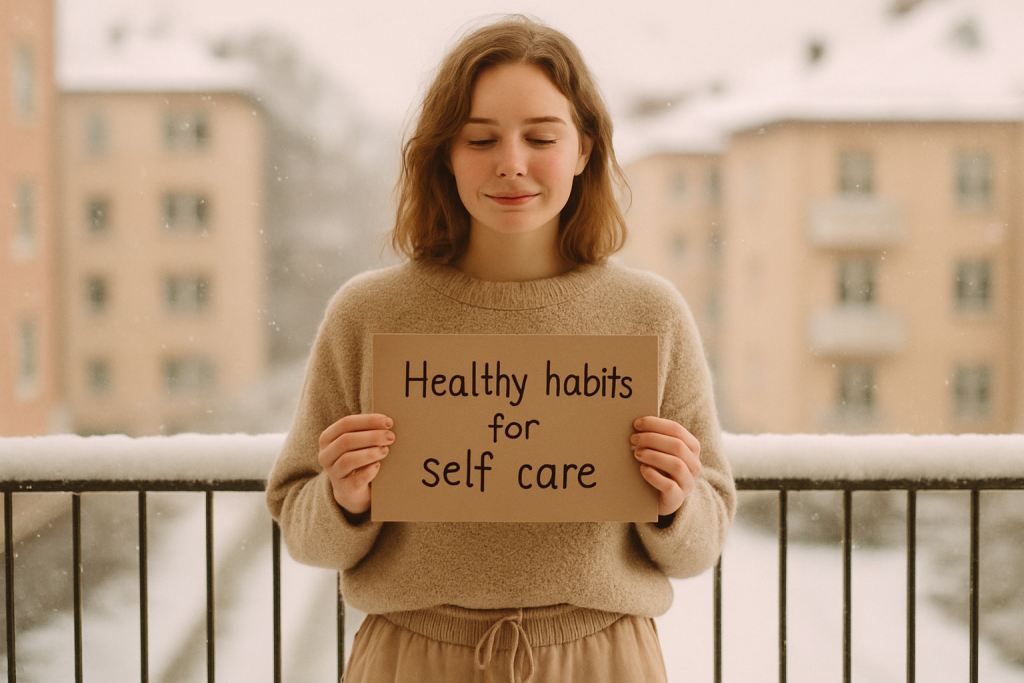
Start with Mindful Mornings
The first 30 minutes after you wake up aren’t just filler they’re foundational. How you spend this short stretch shapes the rhythm of your entire day. Your brain is transitioning out of rest mode, and your habits in this window either fuel your clarity or feed your chaos.
Start simple. A glass of water kicks your system into gear. A few deep breaths ground you instead of letting your mind sprint straight into to do lists. Jotting down a line or two anything from a dream to a goal creates intention without pressure.
And skip the false reward of instant notifications. You don’t need someone else’s crisis in your head before sunrise. Give yourself some space before diving into digital noise. Protecting these early moments isn’t about control it’s about choosing your own pace, before the world chooses it for you.
Fuel Your Body, Not Just Feed It
When life gets busy, it’s easy to reach for whatever’s quick and available. But here’s the truth: processed snacks and sugar packed drinks give you a short burst, then crash you hard. Whole foods think greens, grains, lean proteins don’t just fill you up, they fuel you steadily. They give your body what it actually needs to function well over time.
Hydration is another one that sounds basic, but most people still skip it. Water keeps your brain sharp, your digestion on point, and your energy levels more balanced than caffeine ever will. Keep a bottle close. Refill often. It matters more than it feels like it should.
And don’t underestimate structure. Eating at roughly the same times each day does more than organize your calendar. It helps regulate appetite, supports digestion, and minimizes energy dips. It’s boring and brilliant at the same time. You don’t need a perfect diet just consistent, conscious choices.
Move Daily (In a Way You Enjoy)
You don’t need a gym membership or a perfect training routine to take care of your body. Movement is one of the simplest and most accessible ways to improve your overall well being and it doesn’t have to be intense to be effective.
Focus on Enjoyable Movement
The most sustainable physical activity is the one you actually look forward to. That could be:
A daily walk around your neighborhood
Gentle stretching in the morning or during work breaks
Dancing in your living room
Light yoga to wind down after a long day
The key is to move your body in a way that feels good and fits naturally into your lifestyle.
Why Consistency Beats Intensity
Big transformations don’t require brutal workouts they require regular effort. Most of the benefits of physical activity come from showing up consistently, not going all out occasionally.
Even low impact movement improves circulation and mobility
Regular activity supports better sleep and mental health
Moving daily reinforces body awareness and confidence
10 Minutes Can Make a Difference
If you’re short on time, don’t write off the day. Even just ten minutes of movement:
Boosts your mood and energy levels
Helps reset your mind during a busy day
Builds momentum for bigger steps tomorrow
Start small, stay curious, and let movement be something you enjoy not something you have to do.
Harness the Power of Emotional Intelligence

Building emotional intelligence isn’t just about managing stress it’s a foundational habit that enhances your relationships, resilience, and sense of well being. Checking in with yourself emotionally each day can help you stay grounded, make better decisions, and respond (rather than react) in challenging moments.
Start with a Daily Emotional Check In
Before reacting to your day, take a moment to scan your emotional state.
Ask yourself: “What am I feeling right now and why?”
Write down your mood or quick thoughts in a journal app or notebook
Name the emotion instead of avoiding it this builds self awareness over time
Strengthen Your Relationships
Emotional intelligence helps you tune into others more effectively. Deepening your social connections can lead to a stronger support system and more fulfilling interactions.
Practice active listening give people your full attention
Communicate without rushing to fix, dismiss, or judge
Reflect on your own communication habits and adjust when needed
Understand Your Triggers
When you recognize what reliably causes stress or tension in your life, you’re better equipped to manage it with intention rather than impulse.
Identify common stress patterns (e.g., deadlines, criticism, certain people)
Create a pause moment between the trigger and your response
Use simple grounding tools like breathwork or movement to reset
Want to dive deeper? Read more about the long term benefits of emotional intelligence.
Get Serious About Sleep
Sleep isn’t a luxury it’s a foundation. If your energy, focus, or patience feels off, lack of solid sleep is usually the root. It powers recovery, supports memory, and sharpens decision making. Basically, if you want to stay sharp and build better habits, start by getting real about your rest.
Start with a wind down ritual. Cut screens at least 30 minutes before bed. Trade overhead lighting for lamps or candles. Keep things quiet. The brain needs cues to make the shift from alert mode to sleep mode routines help.
And it’s not just about clocking eight hours. What you’re chasing isn’t quantity it’s quality. Deep sleep. Fewer interruptions. A natural rhythm. Optimize your sleep environment: cool the room, keep it dark, and keep a consistent bedtime. No overthinking, no perfect setup just steady habits that help you reset each night.
Create Mini Breaks for Mental Breathing
Taking intentional breaks throughout your day isn’t a luxury it’s a necessity for overall well being. These pauses help lower cortisol levels, improve focus, and prevent the mental fatigue that builds from nonstop productivity.
Step Away (Even for Five Minutes)
You don’t need a full lunch break to reset your brain. A quick five minute pause can do wonders for your mood and clarity.
Walk away from your screen or workspace
Do a few deep breaths or light stretching
Look out a window or focus on something non digital
These micro breaks are powerful resets for your nervous system, especially when practiced intentionally.
Stack Mindfulness Into Daily Tasks
If you’re struggling to carve out dedicated mindfulness time, integrate it into what you’re already doing. This is known as habit stacking.
Practice gratitude while brushing your teeth
Take three deep breaths before replying to an email
Focus on your physical sensations while doing the dishes or walking the dog
Adding mindfulness to routines you already perform makes the practice sustainable and effortless over time.
Reset Between Tasks
Moving from one task to another without pause keeps your brain in a low level stress state. Break this cycle with intentional resets.
Close your eyes and take a few cleansing breaths before switching tasks
Journal a quick note about how you’re feeling
Use transitions as moments of calm, not rush
These small breathing spaces create clearer thinking, better productivity, and more emotional balance throughout the day.
Reflect and Reset Each Evening
The end of the day offers a unique opportunity to pause, process, and realign. Simple evening habits don’t just help you sleep better they also set the emotional tone for the next day.
Practice Evening Gratitude
Taking a few quiet moments to highlight one thing you’re genuinely grateful for no matter how small can shift your mental state from stress to presence.
Reflect on something that brought joy or ease
Write it down or say it aloud to reinforce mindfulness
Identify What to Release
Not every day goes perfectly. That’s okay. What matters is your ability to recognize friction and let go of what no longer serves you.
Ask: What’s one thing I can drop an overreaction, a worry, a limiting thought?
Use journaling or a mental note to acknowledge and release it
Make Space for Self Check Ins
Micro reflections often lead to macro changes. These short check ins build awareness over time and help you course correct with intention.
Did today align with your values? Why or why not?
What’s one small thing you want to do differently tomorrow?
Remember: Consistency is more important than volume. A 3 minute reflection practice can catalyze personal growth far better than sporadic deep dives.
Final Reminder: Keep It Simple, Make It Daily
You don’t need the perfect wellness routine because it doesn’t exist. What actually moves the needle is showing up for yourself regularly in ways that fit your life. That could be five minutes of stretching, a mindful sip of coffee without distraction, or simply remembering to drink water before noon.
These habits aren’t flashy. They’re not always Instagram worthy. But they work. When practiced consistently, they reinforce stability, clarity, and resilience. That’s what leads to change, not chasing trends or overhauling your life every Monday.
Stay grounded in routines that serve you and adapt them as you grow. And remember: wellness is more than just physical it’s also emotional. Bonus: Learn more about the emotional intelligence benefits.
 Founder
Damond Boucherley is the visionary founder of Aura Nature Spark, dedicated to promoting well-being through holistic practices. With a passion for nutrition, exercise, and mindfulness, Damond brings years of experience in health and wellness to the forefront of the organization. He believes in the transformative power of nature and is committed to providing valuable insights and resources that inspire individuals to live their best lives. Under his leadership, Aura Nature Spark continues to grow as a trusted source for health enthusiasts seeking balance and vitality.
Founder
Damond Boucherley is the visionary founder of Aura Nature Spark, dedicated to promoting well-being through holistic practices. With a passion for nutrition, exercise, and mindfulness, Damond brings years of experience in health and wellness to the forefront of the organization. He believes in the transformative power of nature and is committed to providing valuable insights and resources that inspire individuals to live their best lives. Under his leadership, Aura Nature Spark continues to grow as a trusted source for health enthusiasts seeking balance and vitality.