Biohacking Gets Personal
Personalized wellness is moving from the clinic to the living room. Thanks to breakthroughs in technology, individuals now have access to customized insights that guide their health decisions in real time.
Personalized Wellness Through Data
We’re entering an era where one size fits all approaches to health no longer make sense. New tools help individuals fine tune their wellness strategies based on their unique biological makeup.
DNA testing now reveals how you metabolize nutrients, respond to exercise, or process stress.
Genetic nutrition tailors meal plans to support energy levels, focus, and long term health.
Hormone tracking helps identify imbalances tied to sleep, mood, and metabolism.
These data points are creating lifestyle recommendations that are highly specific and significantly more effective.
Longevity Science, Made Accessible
What was once cutting edge biohacking reserved for elite researchers is now hitting the mainstream. At home testing kits are streamlining health optimization by giving users deep insights without specialist visits.
Affordable test kits for vitamin deficiencies, hormone levels, and inflammation markers
Easy to understand reports delivered through companion apps
Tracker compatibility helps trending and long term health projections
Everyday Biohacks, Supercharged by Tech
Wearables and AI driven apps are empowering users to take action daily. What were once passive fitness trackers have evolved into proactive wellness coaches right on your wrist.
Devices now track more than steps: sleep quality, heart rate variability, and even respiratory trends
AI driven insights make suggestions for better rest, recovery, focus, and performance
Instant feedback allows users to adjust routines based on real time biological cues
The result? Personal, proactive control over physical and mental health without needing a lab coat or a clinical degree.
Smart Devices Go Beyond Tracking
The wearables on your wrist and the tech under your mattress are no longer passive data collectors they’re stepping into recovery mode. In 2024, the shift is clear: smart devices aren’t just measuring your health; they’re working to improve it in real time.
Smart mattresses now adjust firmness and temperature as your body enters different sleep stages. They’re syncing with heart rate and movement patterns to create sleep environments that react to your needs, not just observe them. Meanwhile, infrared wearables are quietly making recovery more efficient applying low level heat or light therapy to sore muscle groups without you doing a thing.
Then there’s the next gen smartwatch. It doesn’t just nag you to stand up or congratulate you on steps. It’s reading your glucose levels, flagging blood pressure fluctuations, and breaking down stress markers based on real time trends. For anyone focused on performance, longevity, or avoiding burnout, these real time metrics are a game changer.
Bottom line: if a device can measure it, there’s a new version that can now improve it. Recovery isn’t just something you plan for it’s baked into the tech you wear or sleep on.
The Mental Wellness Tech Boom
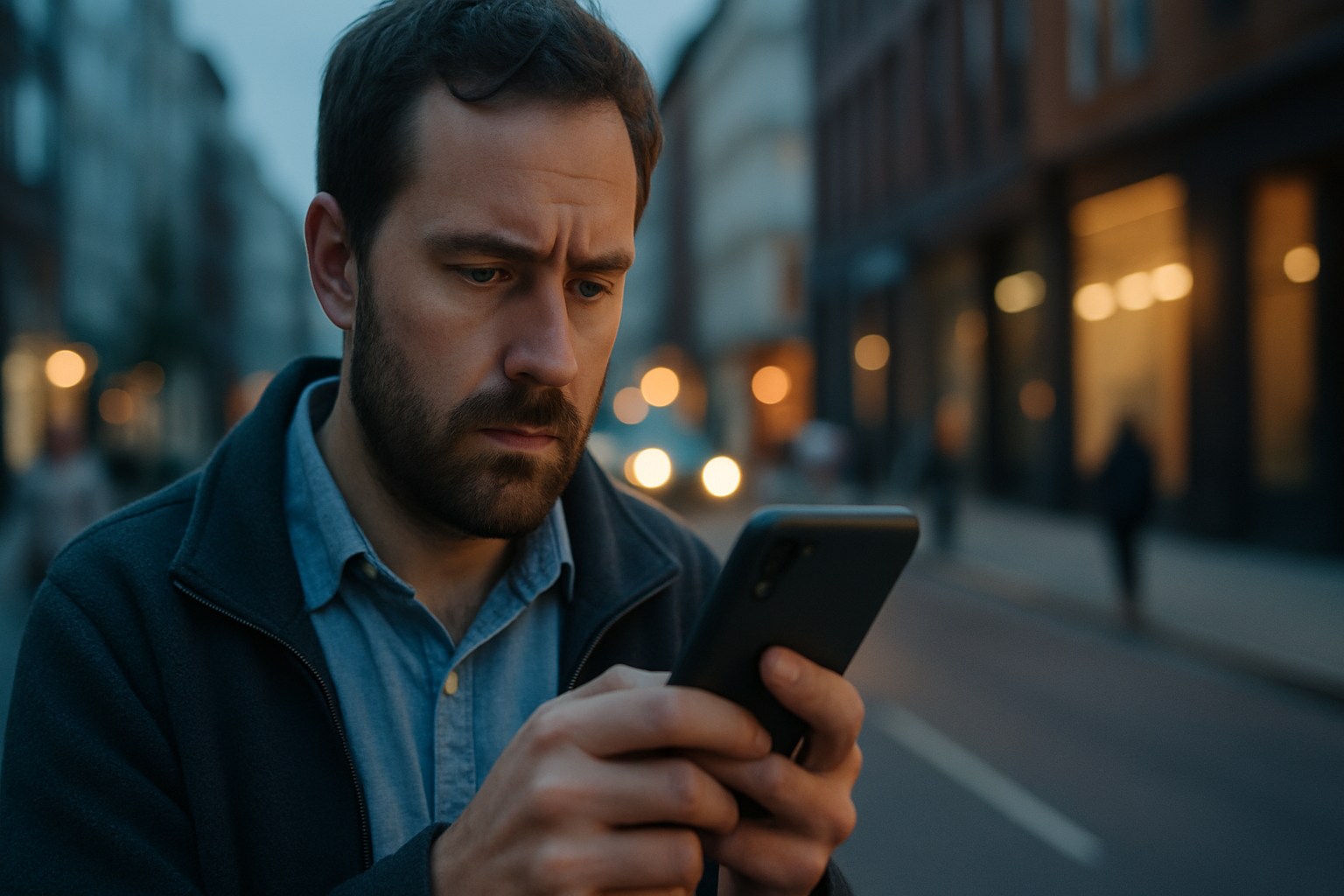
Mental health support isn’t waiting in line anymore. AI powered mental wellness apps are reducing barriers offering text based conversations, guided thought exercises, and mood tracking with near instant feedback. They’re not here to replace human therapists, but for millions, they’re becoming the first point of contact. Apps like Woebot or Wysa are doing cognitive behavioral coaching on demand, and people are sticking around.
Beyond the chatbots, virtual reality is getting serious traction in mental wellness. VR sessions for exposure therapy, trauma relief, or even guided meditation are no longer experimental they’re becoming normal. People are slipping on headsets to breathe, reflect, and process more deeply, in a space engineered for calm.
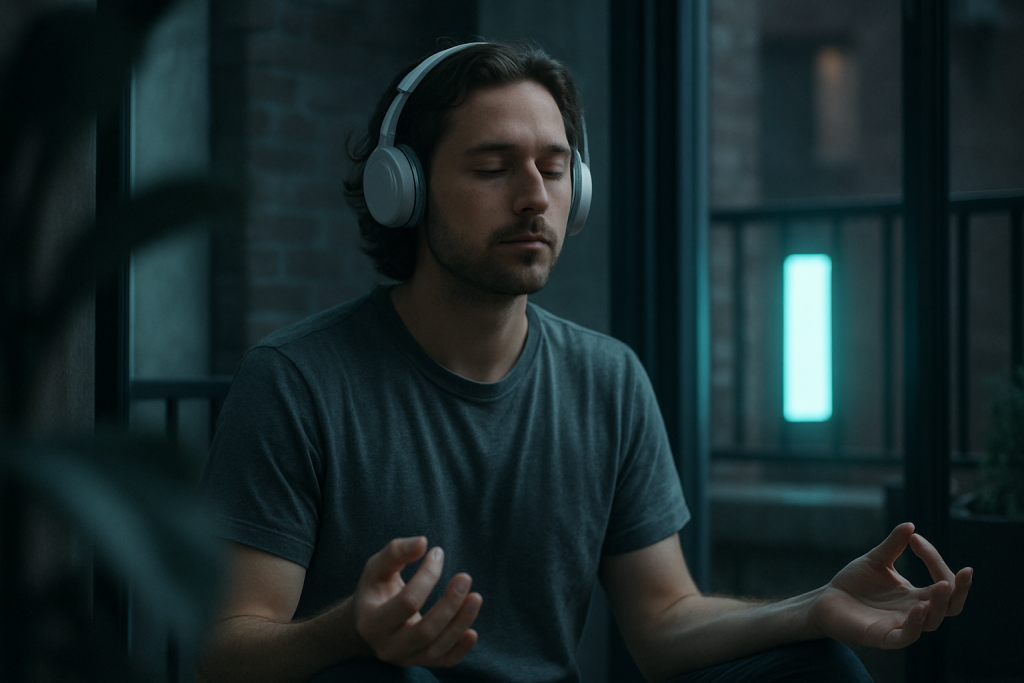
Add biometrics into the mix, and things get personal fast. Devices now adjust mindfulness routines based on breathing patterns, heart rate variability even skin temp. The result? Hyper tuned self care. You’re not just meditating. You’re following a routine programmed for your specific mental load that day.
None of this replaces real time support from trained professionals. But it’s getting closer to something that can complement it filling gaps, creating consistency, and making support more available without judgment or wait times.
Wellness in the Metaverse
The wellness world isn’t just online it’s immersive now. Virtual reality is giving fitness a second wind, with VR classes that blend high intensity intervals, breathwork, and mindfulness into one headset powered experience. Users are boxing, stretching, and meditating in virtual studios from the comfort of their own homes. And it’s not just about movement it’s about mood. These sessions are designed to reset your nervous system while keeping your body engaged.
What’s more, we’re seeing the rise of digital wellness tribes tight knit, niche based communities that meet in virtual spaces. Think support groups for autoimmune recovery, monthly meditation pop ups, breath circles with biofeedback only now, all of it’s happening in shared digital environments that feel more personal than a standard Zoom call.
And it’s competitive, too. Platforms are layering in gamification: cross app goals, badges, and progress stats that sync from wearables straight into your metaverse profile. Whether it’s beating your last breath hold record or completing 30 days of VR yoga, wellness is turning social, trackable, and deeply personalized.
This is no longer fitness for the treadmill crowd. It’s movement, connection, and dopamine all wired in.
AI Powered Wellness Coaching
Wellness coaching has entered a new phase human expertise is being augmented or, in some cases, fully replaced by algorithms. Forget the once a week check in with a fitness or health coach. Today’s AI systems adjust your plan daily based on how you slept, how much you moved, and what your biometrics are saying in real time.
These platforms do more than dish out reminders. They’re digesting streams of data from wearables and apps to build routines tailored to your goals, energy levels, hormone cycles, even stress spikes. You wake up and your AI coach already knows before coffee whether today’s focus is recovery, performance, or something in between.
It’s smarter integration too. Nutrition plans, hydration suggestions, mood tracking, and workout timing everything syncs. Your smartwatch talks to your meal app, which pings your calendar, which nudges your smart scale. Machine led doesn’t mean cold it just means efficient. For people who want results without the guesswork, machine coaching is the new baseline.
Clean Tech and Sustainable Wellness
As wellness expands beyond personal health into environmental impact, a new wave of clean technologies is emerging designed to support both our bodies and the planet.
Wellness Starts at Home
Innovations are transforming the spaces we live in, making home environments cleaner, safer, and more aligned with sustainable living.
Advanced air filtration systems now incorporate HEPA and carbon layers with smart sensors that adapt based on pollutants and allergens in real time.
Water purification breakthroughs are delivering lab grade filtration through countertop units, eliminating the need for bottled water and reducing plastic waste.
EMF reducing technologies are gaining popularity, including bedding and grounding mats designed to limit prolonged exposure to electromagnetic fields during rest.
Greener Workouts by Design
Fitness is getting an eco friendly upgrade as gyms and personal workouts move toward sustainability.
Energy returning machines ellipticals and bikes that convert your workout energy into electricity are being installed in both commercial gyms and home studios.
Solar powered gym equipment is also entering the market, providing off grid performance options for indoor and outdoor use.
Some fitness spaces are now advertising carbon neutral operations, thanks to these tech driven efficiencies.
Eco Conscious Products, Powered by Tech
Consumer demand is steering companies toward sustainability and smart technology is enabling meaningful change.
Products with biodegradable materials + embedded sensors are showing up in wearables, yoga mats, and supplements packaging.
Low impact production technologies, like 3D printing with recycled bioplastics, are speeding up innovation while keeping emissions down.
Tech savvy consumers now look for transparency dashboards showing lifecycle impact, energy use, and product traceability.
Explore a deeper dive into this journey of innovation: How Technology is Transforming Wellness
 Mindfulness and Meditation Expert
Paulether Masterson is Aura Nature Spark's mindfulness and meditation expert, with extensive training in various meditation techniques and practices. She is dedicated to teaching individuals how to cultivate inner peace and resilience through mindfulness. Paulether offers workshops and resources that help clients incorporate meditation into their daily routines, enhancing their overall well-being. Her calming presence and insightful guidance inspire many to explore the transformative benefits of mindfulness in their lives.
Mindfulness and Meditation Expert
Paulether Masterson is Aura Nature Spark's mindfulness and meditation expert, with extensive training in various meditation techniques and practices. She is dedicated to teaching individuals how to cultivate inner peace and resilience through mindfulness. Paulether offers workshops and resources that help clients incorporate meditation into their daily routines, enhancing their overall well-being. Her calming presence and insightful guidance inspire many to explore the transformative benefits of mindfulness in their lives.