Why Strength Training Is a Smart Move Early On
If you’re just starting your fitness journey, strength training might be the smartest, most efficient place to begin. It builds your body’s base muscle strength, joint support, and overall stability so you can perform both workouts and everyday movements with less risk and more control.
Strength work fires up your metabolism, too. More muscle means your body burns more calories, even at rest. It also does wonders for your posture, especially if you’re glued to a desk all day. Standing taller, sitting straighter, feeling stronger it all starts here.
The biggest payoff? Laying the groundwork for whatever comes next. Whether you’re chasing weight loss, cardio gains, or just more confidence in your body, building a strength foundation gives you momentum.
Want the full rundown on how strength training helps at every age and stage? Learn more about strength training benefits.
Your Go To Beginner Exercises
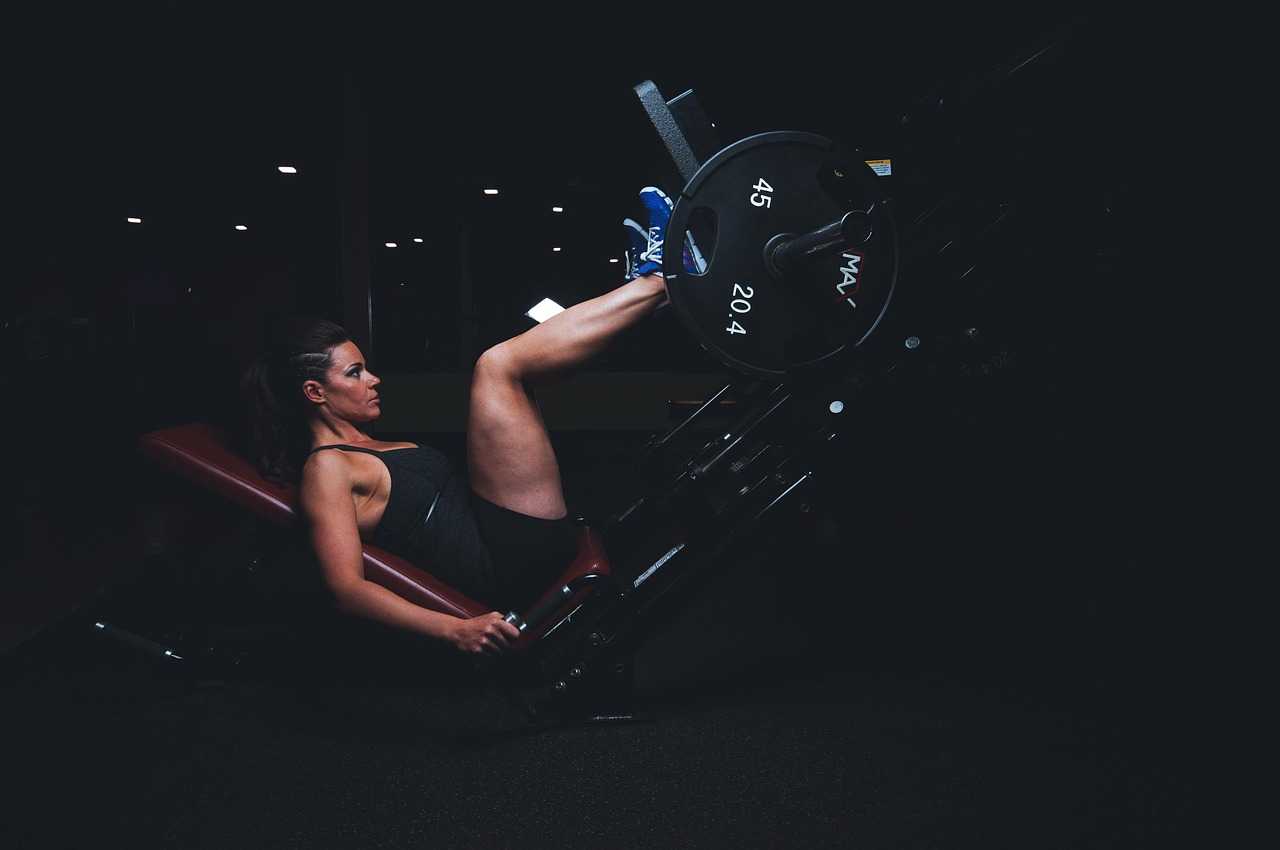
Simple, effective moves that require minimal or no equipment, perfect for starting out. These five exercises hit all the major muscle groups without the need for fancy machines or a gym membership. Just enough structure to get stronger, not so much that you need a manual to begin.
Bodyweight Squats
Targets: legs, glutes, and core
Key tip: Keep your knees aligned with your toes
Why it’s great: Builds lower body strength and balance
Start with feet shoulder width apart. Drop your hips like you’re sitting back into a chair. Keep your chest up and stop when your thighs are parallel to the ground or as low as you can go. Stand back up. That’s one rep. Keep it slow and steady.
Push Ups (Knees or Full)
Targets: chest, shoulders, triceps, and core
Modify by starting on your knees or against a wall
Essential for upper body development
Classic for a reason. Whether it’s full body or knee supported, form matters more than reps. Hands just wider than shoulders, lower yourself until elbows hit about 90 degrees, then push back up. Core stays tight. Back stays flat.
Bent Over Rows (With Dumbbells or Bands)
Targets: mid back, shoulders, and biceps
Focus on controlled motion and posture
Helps reverse poor posture from desk jobs
Bend at the hips, not the waist. Keep the back flat. Pull the weights or bands toward your waist, squeeze your shoulder blades at the top, and control on the way down. It’s easy to rush these. Don’t.
Glute Bridges
Targets: glutes, hamstrings, and lower back
Excellent for developing posterior strength
Safe and effective for all fitness levels
Lie on your back, knees bent, feet flat. Press through your heels and lift your hips toward the ceiling. Hold for a beat at the top before lowering down. Great for countering all day sitting.
Plank (Forearm or Full)
Targets: core, shoulders, and glutes
Start at 15 30 seconds and work up
Builds total body stability
Hold a straight line head to heels. Whether on forearms or palms, it’s about bracing your core, not just surviving the time. Quality over duration. Breathe, don’t hold it in.
These movements are simple, not easy. But getting good at them lays the groundwork for everything else that comes after.
Getting the Most Out of Your Routine
Building a safe, efficient, and sustainable strength training routine doesn’t require a packed schedule or advanced gear. What matters most in the beginning is consistency and attention to proper technique.
How Often Should You Train?
If you’re just starting out, less is more. Your body needs time to adapt and recover between sessions.
Aim for 2 to 3 strength training sessions per week
Spread them out evenly to allow rest days in between
Focus on quality of movement over lifting heavier weights too soon
Let Recovery Do Its Work
Muscles grow and adapt during rest not just during exercise. A balanced training week always includes time for recovery.
Rest 48 hours between strength training days to prevent overuse and reduce injury risk
Avoid training the same muscle groups back to back
Don’t Skip Mobility and Active Recovery
Flexibility and joint health are just as important as muscle strength, especially early in your fitness journey. Incorporate mobility and light movement into your weekly routine.
Add dynamic stretching or foam rolling on non lifting days
Include light activities such as walking, yoga, or swimming
These help increase circulation, reduce soreness, and improve overall performance
Building a foundation in strength is about more than reps and sets it’s about setting habits that support your body long term.
More Than Just Muscle
Strength training does more than shape your body. It fortifies your bones, boosts your daily energy, and sharpens your mind. Lifting weights or moving your body against resistance stimulates bone density something especially important as we age. But the effects start showing up fast, even if you’re young or just getting started.
Regular strength work can also help with mental clarity and focus by improving blood flow and releasing mood supporting endorphins. It’s not just about looks it’s how you feel and function day to day.
The best part: there’s no wrong time to start. Whether you’re 18 or 68, the benefits are real, and they stack. You don’t have to crush heavy deadlifts on day one. Just begin. Your body and your brain will thank you.
(Dive deeper into the full spectrum of strength training benefits.)
 Founder
Damond Boucherley is the visionary founder of Aura Nature Spark, dedicated to promoting well-being through holistic practices. With a passion for nutrition, exercise, and mindfulness, Damond brings years of experience in health and wellness to the forefront of the organization. He believes in the transformative power of nature and is committed to providing valuable insights and resources that inspire individuals to live their best lives. Under his leadership, Aura Nature Spark continues to grow as a trusted source for health enthusiasts seeking balance and vitality.
Founder
Damond Boucherley is the visionary founder of Aura Nature Spark, dedicated to promoting well-being through holistic practices. With a passion for nutrition, exercise, and mindfulness, Damond brings years of experience in health and wellness to the forefront of the organization. He believes in the transformative power of nature and is committed to providing valuable insights and resources that inspire individuals to live their best lives. Under his leadership, Aura Nature Spark continues to grow as a trusted source for health enthusiasts seeking balance and vitality.