Know Your Why
Before you start picking exercises or buying gear, ask yourself what you’re actually trying to do. Drop weight? Get stronger? Move without pain? Clear your head? Maybe it’s all of that. Either way, the goal matters more than you think.
Goals shape structure. Someone training for mental clarity doesn’t need the same routine as someone prepping for a powerlifting meet. If you’re after mobility, slogging through barbell circuits five days a week might burn you out fast or leave you sidelined. But if you want strength gains, you’re going to need real progression and real effort.
And don’t lean too hard on motivation. It comes and goes. Your reason for showing up your “why” is what keeps you dialed in when life gets loud. Build your fitness around purpose, not pressure. That’s how routines become habits.
Assess Your Starting Point
Guessing your fitness level is a shortcut to burnout or injury. Don’t wing it measure it. This can be as simple as checking how many push ups you can do, how far you can jog before needing a break, or how your body feels after a brisk walk. Use hard numbers and honest observations. Write them down.
Next, make a list of your limitations. Old shoulder injury? Note it. Tight hips from sitting all day? Add that too. Your schedule counts here if you only have 30 minutes three times a week, that’s your reality. Better to build within your limits than ignore them and crash hard.
Once you have the facts, set weekly targets that actually fit your current state not the version of you from five years ago. One or two strength sessions, a couple of cardio bursts, and room for recovery? That’s a strong start. Use this foundation to work smarter, not just harder.
Choose the Right Mix of Movement
A solid fitness routine isn’t just about how hard you go, it’s about how well you balance the pieces. Strength training, cardio, mobility, and recovery all need space in your week. Skip one too often and the whole system starts to underperform or worse, break down.
Start by thinking in blocks. If your goal is strength, your split should lean heavier on weightlifting with just enough cardio to support heart health and recovery. Training for endurance? Flip the focus, but don’t ditch resistance work entirely your body still needs muscle to move efficiently and stay injury resistant. Mobility and recovery sessions whether it’s yoga, stretching, or an intentional rest day aren’t extras. They’re the glue.
And here’s the big one: more doesn’t always mean better. Five focused, smartly arranged workouts a week will get you further than seven scattered ones. Junk volume, random classes, and overtraining don’t make gains they make burnout. Quality reps, clean technique, and knowing when to rest will take you farther, faster.
Make It Fit Your Life

Your routine isn’t just about what exercises you do it’s about when and how they fit into your day. Start by looking at your schedule realistically. Not aspirationally realistically. When do you actually have energy? Got a full plate in the evenings? Then a morning session, even if short, might serve you better. Night owl with a second wind after dinner? Lean into that.
Don’t force someone else’s rhythm on yourself. Some people lift at 5 a.m. like clockwork. Others hit their stride post sunset. Either works what matters is that it works for you, consistently. Honor your body’s highs and lows.
And don’t skip the layers that hold your routine together: proper warm ups, cool downs, and rest days. These aren’t extras they prevent injury, support recovery, and keep you showing up. Train hard, but also train smart. Respect the signals your body sends, and build a plan that respects your real life.
Track, Review, Adjust
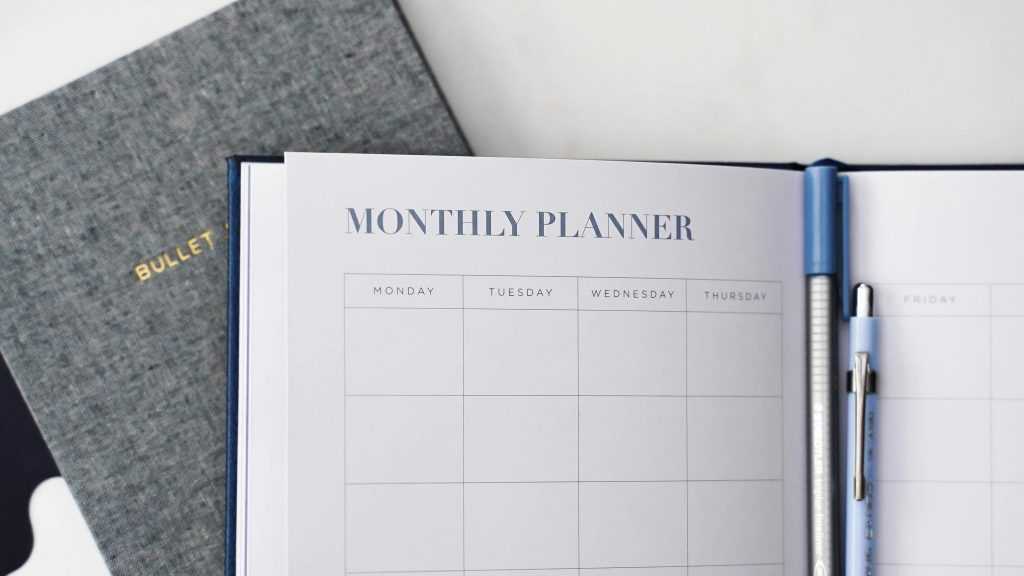
Sticking to a personalized fitness routine requires more than sheer willpower you need feedback loops. Tracking helps you stay accountable, identify patterns, and adapt to what your body needs.
Choose Your Tracking Tools
There’s no one way to monitor your progress. Choose a method that fits into your life:
Fitness apps for automated tracking of workouts, steps, and calories
Written journals to reflect on mood, energy, and workout details
Simple progress notes in your phone or planner for quick end of day check ins
Track More Than Just the Scale
Success isn’t only about physical transformation. Look beyond weight to get the full picture:
Energy levels throughout the day
Quality of your sleep
Mood swings or emotional changes
Recovery time between workouts
These insights offer a more accurate reflection of your overall health.
Adjust As You Go
Your body changes and so should your routine. Regular check ins help you refine your approach over time:
If energy is low, scale back intensity
If progress stalls, reassess your workout split
Listen to what your body is telling you
The best routine is the one that keeps growing with you.
Prioritize Longevity Over Intensity
Going all in for a few weeks then burning out isn’t a strategy it’s a loop you want to avoid. Sustainable routines win the long game, and that means dialing it down, not ramping everything up. Think less about punishing workouts, more about movement you can keep up three, five, ten years from now.
Rest days aren’t a setback. They’re the glue that holds consistency together. Pushing through fatigue or soreness doesn’t make you tough it just makes you more likely to quit. Flexibility, patience, and a clear pace you can maintain are what get you real, lasting results.
For a deeper look into how to balance your health long term, check out these sustainable wellness tips.
Final Notes
Your fitness routine shouldn’t be frozen in time. What you need at 25 might not work at 35 or even next month. As your schedule shifts, your stress levels rise or fall, or your goals change, your plan should move with you. No blueprint is perfect forever.
Waiting for the ideal setup is a trap. Start with what you’ve got, see how it feels, and tweak from there. Small changes beat big intentions left on hold. If something isn’t working, shift gears. Don’t scrap everything adjust.
Above all, consistency wins. A moderate, manageable plan you stick to will beat sporadic bursts of high intensity effort. One solid week after another that’s what builds real results.
Need help finding more balance? These sustainable wellness tips are a good place to start.
 Founder
Damond Boucherley is the visionary founder of Aura Nature Spark, dedicated to promoting well-being through holistic practices. With a passion for nutrition, exercise, and mindfulness, Damond brings years of experience in health and wellness to the forefront of the organization. He believes in the transformative power of nature and is committed to providing valuable insights and resources that inspire individuals to live their best lives. Under his leadership, Aura Nature Spark continues to grow as a trusted source for health enthusiasts seeking balance and vitality.
Founder
Damond Boucherley is the visionary founder of Aura Nature Spark, dedicated to promoting well-being through holistic practices. With a passion for nutrition, exercise, and mindfulness, Damond brings years of experience in health and wellness to the forefront of the organization. He believes in the transformative power of nature and is committed to providing valuable insights and resources that inspire individuals to live their best lives. Under his leadership, Aura Nature Spark continues to grow as a trusted source for health enthusiasts seeking balance and vitality.