
Carbs Are Not the Enemy
Let’s get one thing straight: carbs aren’t out to get you. They’re your body’s go to fuel source. But not all carbs are created equal.
Simple carbs are the quick burners think soda, candy, white bread. They spike your blood sugar fast and fade just as quickly. Complex carbs like oats, sweet potatoes, and quinoa digest slower, giving you steady energy without the crash. That matters when you’re trying to feel full, stay focused, and keep your blood sugar in check.
Carbs power your brain, your workouts, and your everyday movement. They also help spare protein from being used as fuel, so it can do what it’s meant for like building and repairing tissue. Cutting carbs too drastically? That usually leads to fatigue, brain fog, and the dreaded energy slump.
And weight gain? It’s not about carbs it’s about the overall quality and quantity of what you eat. People often blame carbs while ignoring the role of processed junk and oversized portions. Whole food sources of carbs vegetables, fruits, legumes, whole grains are nutrient dense and proven to support long term health.
Stop fearing carbs. Start understanding them.
Eating Fat Doesn’t Make You Fat
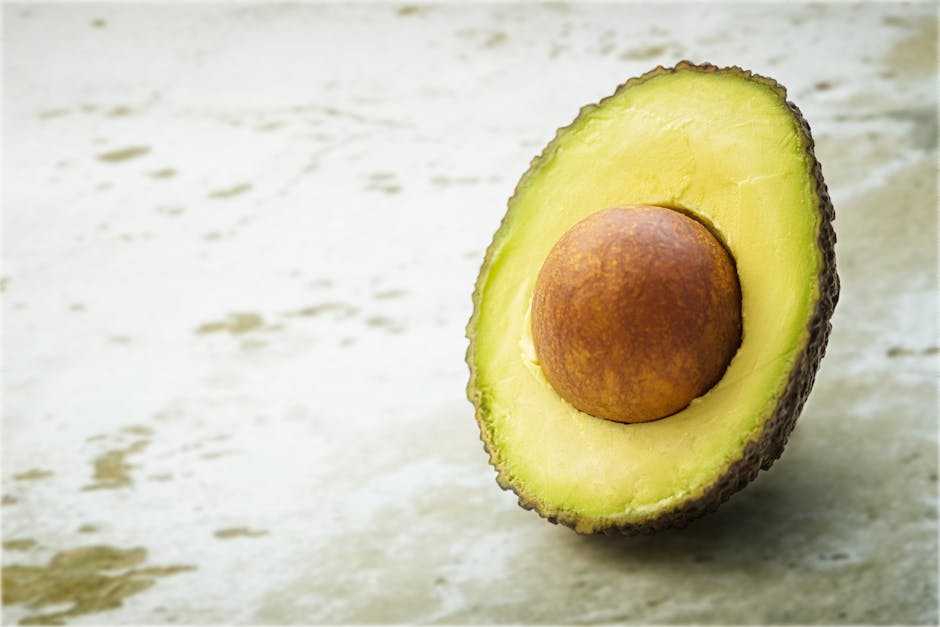
Not all fats are created equal, and lumping them together is where most diets go wrong. Healthy fats like those from nuts, olive oil, avocado, and fatty fish play a vital role in how your body works. They help absorb fat soluble vitamins (A, D, E, and K), cushion your organs, and keep your skin and cells healthy. Most importantly, they’re key players in hormone production and brain function. Your brain is nearly 60% fat, and starving it of the right kinds won’t make you smarter or leaner.
Trans fats, though? Different story. These are synthetic fats often found in processed foods and have no upside. They mess with your cholesterol, raise inflammation, and increase your risk of heart disease. Some countries have banned them entirely. If the label says “partially hydrogenated oil,” skip it.
As for low fat diets, they were a 90s trend that’s still hanging on but science has moved on. Going low fat can backfire, especially if you replace fat with sugar or ultra processed carbs. That kind of diet leaves you less full, more irritable, and more likely to overeat later. Fat isn’t the villain. Poor quality food is. Choose your fats wisely, and your body will thank you.
“Natural Sugar” Is Still Sugar
Honey, agave, coconut sugar it’s easy to think these are better for you than plain white sugar. They’re not. They all impact blood glucose in similar ways. Your body doesn’t give special treatment to syrup just because it came from a flower instead of a factory.
Marketing loves the word “natural.” But that label doesn’t mean healthier or lower glycemic. It just means the source was less processed. The sweetness still hits your bloodstream, spikes your insulin, and leaves you craving more.
The real story is in the type of sugar: added vs. intrinsic. Added sugars are any sugars tossed into food during processing syrups, powders, concentrates. These are the ones tied to blood sugar swings, weight gain, and all the usual health red flags. Intrinsic sugars, on the other hand, are naturally bundled into whole foods like fruits, dairy, and vegetables. They come with fiber, vitamins, and water the built in brakes that blunt their impact.
Bottom line: If it sweetens your smoothie, it likely spikes your glucose, no matter how earthy the label sounds. The only number that matters is how much added sugar you’re actually getting. Everything else is just clever branding.
Detox Diets Don’t Detox Anything

Your body isn’t broken. You don’t need to starve it on green juice to “cleanse” anything. Your liver and kidneys already do the heavy lifting every hour, every day. They break down toxins, flush out waste, and maintain internal balance like a factory that never shuts down. No trendy tea can compete with that.
The science is simple: most detox diets are low in calories, protein, and real nutrients. What they deliver in Instagram aesthetics, they lack in substance. Worse, extreme cleanses can strain your system, slow your metabolism, and mess with blood sugar regulation.
Better options? Focus on foods that support your body’s natural detox pathways. Think fiber (for regular digestion), antioxidants (to fight oxidative stress), and water (to keep everything flowing). Whole foods, not powders or pills. Leafy greens, legumes, berries, nuts. Nothing flashy, just functional.
In the end, the most effective “detox” is consistency: eating real food, minimizing excess sugar and ultra processed junk, sleeping enough, and drinking water. It’s not sexy, but it works. Your body wants balance, not punishment.
Organic ≠ More Nutritious
Let’s get clear about something: “organic” is a rulebook, not a nutrient guarantee. When you see that label, it doesn’t mean the food is healthier or more nutritious. It means it was grown or raised without synthetic pesticides, GMOs, or certain fertilizers, and animals were fed organic feed and had access to the outdoors. That’s it.
Nutrient wise? Studies show very little consistent difference between organic and conventionally grown produce. Sometimes organic foods have slightly higher antioxidant levels, but not always and not enough to radically boost your health. Vitamin and mineral content depends more on the soil, freshness, and handling than on the organic label.
So, when does it matter? Organic can make sense for foods you eat a lot of like apples or spinach where pesticide residue adds up over time. It’s also a better option for people concerned with environmental sustainability or animal welfare. But if you’re buying a $7 organic cookie thinking it’s going to save your diet, you’re wasting your money.
Bottom line: go organic if it aligns with your values, but don’t confuse it with a health halo.
Don’t Skip Whole Food Groups
Eliminating entire food groups might seem like a fast track to better health, especially with trending diets pushing dairy free, gluten free, or grain free approaches. However, cutting these out without a valid medical need can create more problems than it solves.
Why Unnecessary Elimination Can Be Harmful
Unless diagnosed with a specific intolerance or allergy, removing whole categories of food can disrupt nutritional balance.
Potential risks include:
Dairy: A primary source of calcium and vitamin D. Cutting it may lead to weakened bones and a higher risk of osteoporosis.
Gluten: Found in whole grains that offer fiber, B vitamins, iron, and magnesium. Going gluten free without a medical condition can result in lower intake of these key nutrients.
Grains: Important for energy, digestive health, and blood sugar regulation. Avoiding them entirely often leads to increased consumption of higher fat or processed foods instead.
Elimination Diets & Nutrient Deficiencies
Many elimination diets prioritize restriction over balance, leading to gaps in essential nutrients:
Fewer sources of fiber, affecting gut health
Limited variety of vitamins and minerals
Possible drop in overall caloric intake, weakening energy levels and metabolism
Unless prescribed by a healthcare provider, elimination diets can do more harm than good.
A Better Approach: The Balanced Plate
Instead of cutting out, focus on adding variety. A balanced plate usually includes:
Protein: Animal or plant based options like eggs, beans, or chicken
Whole grains: Brown rice, quinoa, oats
Fruits and vegetables: Aim for color and diversity
Healthy fats: Avocado, olive oil, nuts
Dairy or alternatives: If needed, use fortified plant based milks
Eating a broad range of whole foods helps ensure your body gets the nutrients it needs to thrive without unnecessary restriction.
The key takeaway: Listen to your body, but back choices with science not trends.
More Myths Explored
We’ve all heard them: don’t eat after 8 p.m., celery burns more calories than it gives, you need eight glasses of water a day or else. Nutrition myths are everywhere some harmless, others potentially damaging. The problem is, many of these get passed around as fact without ever being challenged by actual science.
This is where it pays to stay sharp. Whether you’re trying to make healthier choices or guide others, it helps to dig beneath the surface. The truth is, nutrition is more nuanced than a meme or wellness post suggests. Trends might sell supplements or spike clicks, but real progress in health comes from evidence, not buzz.
For a deeper dive into the common beliefs that science keeps shutting down, check out myths about nutrition. It’s a solid resource if you’re serious about understanding what’s real and what just sounds good.
Wrap Up With Evidence, Not Opinions
Nutrition Is Personal But Science Still Matters
Every individual has unique dietary needs based on their biology, lifestyle, and health goals. That said, personal preference is no substitute for scientific evidence. What works for someone else may not work for you but the foundational truths of nutrition remain consistent and well supported by research.
Personalization is key, but not an excuse for ignoring facts
Evidence based choices lead to more sustainable results
Avoid one size fits all advice and focus on data driven insights
Question Trends Before You Follow Them
Nutrition trends show up everywhere from social media to product packaging. But just because something is popular doesn’t mean it’s effective or safe. Always look beyond the hype and ask: is this supported by science?
Scrutinize claims before changing your diet
Look for peer reviewed studies not just influencers’ testimonials
Be wary of buzzwords like “clean,” “superfood,” or “guilt free”
Commit to Ongoing Learning
Science evolves and so should your understanding of nutrition. Stay curious, keep questioning, and use credible sources to stay informed.
Keep up with evolving research and dietary guidelines
Stay skeptical of nutritional myths that resurface over time
For more evidence based insights, explore the full guide: myths about nutrition
 Founder
Damond Boucherley is the visionary founder of Aura Nature Spark, dedicated to promoting well-being through holistic practices. With a passion for nutrition, exercise, and mindfulness, Damond brings years of experience in health and wellness to the forefront of the organization. He believes in the transformative power of nature and is committed to providing valuable insights and resources that inspire individuals to live their best lives. Under his leadership, Aura Nature Spark continues to grow as a trusted source for health enthusiasts seeking balance and vitality.
Founder
Damond Boucherley is the visionary founder of Aura Nature Spark, dedicated to promoting well-being through holistic practices. With a passion for nutrition, exercise, and mindfulness, Damond brings years of experience in health and wellness to the forefront of the organization. He believes in the transformative power of nature and is committed to providing valuable insights and resources that inspire individuals to live their best lives. Under his leadership, Aura Nature Spark continues to grow as a trusted source for health enthusiasts seeking balance and vitality.