
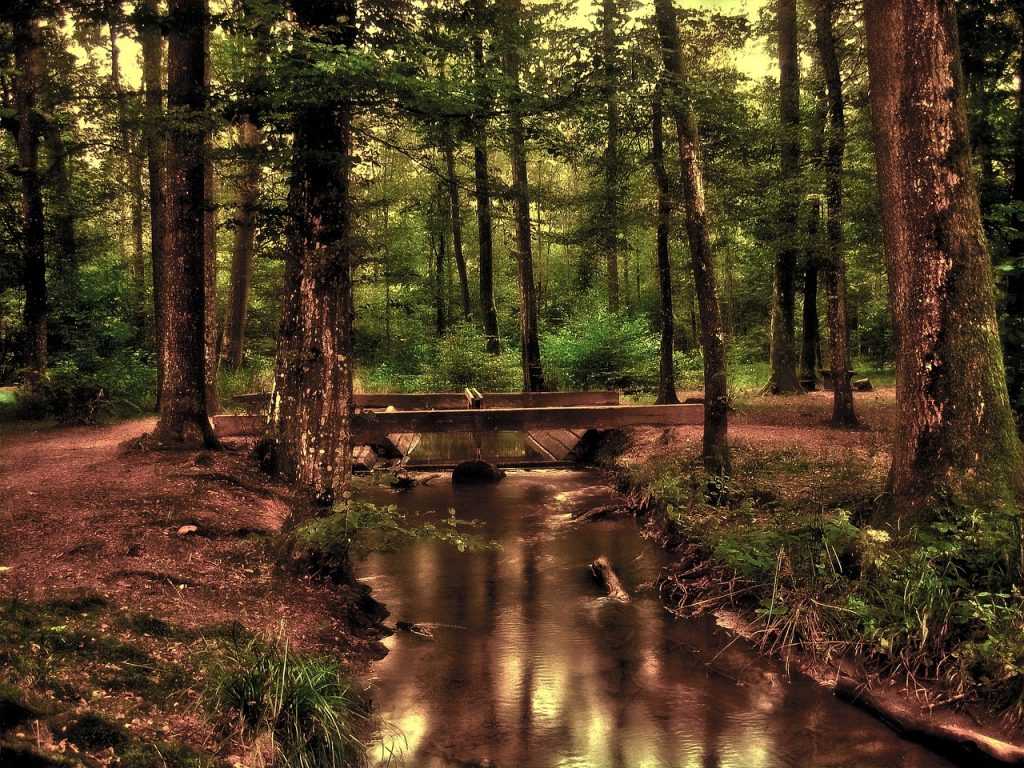
Why Nature Matters for Your Body
Nature makes movement feel less like a chore. You don’t have to psych yourself up for a workout when the trail pulls you in with shade, birdsong, and open space. A casual stroll through a wooded park often turns into a longer walk without much effort it just feels good. That’s the difference. Where a gym says, “Push harder,” nature says, “Come along.”
Green spaces quietly encourage activity. You’re more likely to walk, bike, stretch, or even just stand and breathe deeper when the backdrop is trees, not treadmills. It’s movement without pressure, which makes it easier to stick with over time.
And the perks aren’t just mental. Fresh air fuels oxygen flow, and sunlight helps regulate sleep and mood through natural vitamin D production. Getting outside also supports cardiovascular health and keeps your immune system alert. Nature isn’t a shortcut it’s a long term partner for physical wellness.
Nature’s Role in Mental Clarity
We spend hours locked into screens scrolling, replying, reacting. Nature interrupts that loop. Step outside, and everything slows down. There’s less noise, fewer alerts, and more room to breathe. That break from digital life doesn’t just feel good it matters. Reduced screen time leads to increased presence. You start paying attention to what’s around you, not what’s buzzing in your pocket.
But this isn’t just about mood. Studies show that exposure to trees, running water, and wide open skies physically lowers cortisol, your main stress hormone. Your body actually responds to natural scenes by relaxing. It’s evolution at work these are the environments we’re built for.
And here’s the shift in thinking: nature isn’t just nice to look at. It’s a tool. A practical way to recalibrate. Whether it’s five minutes on a park bench or a weekend hike, nature works like mindfulness no app required. It grounds your thoughts, opens your senses, and gives your brain a break from the constant flicker of digital life.
The Science Behind Outdoor Exposure

Nature isn’t just relaxing it’s therapeutic. Studies continue to confirm that consistent outdoor exposure can lower blood pressure, sharpen focus, and reduce daily anxiety. Even short walks through green environments can help regulate cortisol, the body’s main stress hormone.
One study published in Frontiers in Psychology found that participants who took 20 minute nature walks three times a week showed marked improvements in mood and cognitive performance. Other research links regular time outside with decreased symptoms of depression, especially when that time includes walking or light movement.
There’s growing awareness of the mental tradeoffs between “green time” and “screen time.” While screens tend to stimulate constant input and fatigue, green spaces offer the opposite: slowdown, clarity, and reconnection. Your brain doesn’t just want a break it needs one.
Explore more on the benefits of outdoor time
Everyday Ways to Get Outside
You don’t need to plan a wilderness retreat to feel the benefits of nature. Start small. A ten minute morning walk, a lap around the block after lunch, or stepping into your backyard for a breather can all add up. These breaks create rhythm in your day natural bookends that help reset your body and focus.
Think in terms of habits, not hikes. Local trails are easy wins, especially if they’re part of your commute or near your go to coffee spot. Got five minutes? Stand in the sunlight. Fifteen? Take your call while strolling. Outdoor hobbies from gardening to sketching are also solid ways to stay connected without overthinking it.
So what’s “enough?” There’s no perfect number, but research points to around 2 hours a week, broken into chunks, as a good baseline. It’s not about crushing step counts. The goal is consistency. Aim for short daily bursts, and you’ll build something that sticks.
Making Nature Part of Lifestyle, Not Just Leisure
Getting outside once a week won’t cut it. Nature isn’t some getaway you wait for it’s something you plug into daily, the way you hydrate or stretch. Morning sun on your face. Five slow breaths under a tree. A short walk instead of another scroll. These aren’t bonus activities; they’re a reset your body and mind quietly ask for every day.
The good news? You don’t need a mountain trail or a full day hike. What matters is showing up. A patch of green behind the office or a quick stroll during a call it all counts. The key is rhythm. Consistency. Use nature the way you’d use a gym membership or morning coffee: small, steady, regular.
Turns out, your body doesn’t care how impressive the view is it cares that you’re out there. Regular outdoor time builds real, lasting benefits. Mood, stress levels, focus they all respond best when nature becomes part of the everyday, not something special you save up for.
For more on how daily outdoor time shapes mental and physical health, check out this deeper dive.
Final Tips to Stay Connected
Spending time outdoors doesn’t have to be a solitary or unpredictable experience. With a little planning and some help from technology you can make nature a consistent and rewarding part of your life.
Leverage Technology for Outdoor Exploration
Modern tools make it easier than ever to connect with nearby nature spots. Not sure where to start? Let your phone guide the way.
Use park locator apps or maps to discover scenic trails, nature reserves, or quiet urban green spaces
Try fitness or mindfulness apps that incorporate outdoor goals, like daily walk timers or sunlight tracking
Track your time outside just like a workout building awareness helps develop the habit
Make It Social, Not Just Personal
Nature can be a powerful connector not just to the world around you, but to other people too.
Invite a friend for a morning walk rather than meeting for coffee
Plan regular outdoor activities with family: weekend hikes, park days, or picnics
Join a local walking group or community clean up to meet like minded people who value time outside
Let Nature Reset Your Routine
Think of nature not only as a place to go but as part of the structure of your day. A few intentional shifts can make all the difference.
Take a short outdoor break between work meetings or after lunch
Open your schedule to the rhythm of natural light start the day with sunrise, wind down with dusk
Use time outdoors to unplug, reflect, and ground yourself mentally for whatever comes next
Reconnecting with nature doesn’t require big trips or dramatic life changes. It’s about choosing to step outside regularly and letting those small moments build into a healthier, more balanced life.
 Founder
Damond Boucherley is the visionary founder of Aura Nature Spark, dedicated to promoting well-being through holistic practices. With a passion for nutrition, exercise, and mindfulness, Damond brings years of experience in health and wellness to the forefront of the organization. He believes in the transformative power of nature and is committed to providing valuable insights and resources that inspire individuals to live their best lives. Under his leadership, Aura Nature Spark continues to grow as a trusted source for health enthusiasts seeking balance and vitality.
Founder
Damond Boucherley is the visionary founder of Aura Nature Spark, dedicated to promoting well-being through holistic practices. With a passion for nutrition, exercise, and mindfulness, Damond brings years of experience in health and wellness to the forefront of the organization. He believes in the transformative power of nature and is committed to providing valuable insights and resources that inspire individuals to live their best lives. Under his leadership, Aura Nature Spark continues to grow as a trusted source for health enthusiasts seeking balance and vitality.