Sleep as a Status Symbol
The grind never sleeps but now, more people are choosing not to play that game. The glorification of hustle is cracking under the weight of burnout, and in its place, rest culture is taking over. Sleep is no longer seen as a luxury or a weakness. It’s currency. It’s control. And in 2026, it’s a statement.
This shift is powered by data. Wearables from high end rings to budget friendly wristbands are getting sharper when it comes to tracking sleep stages, quality, and recovery. Users aren’t just logging hours anymore. They’re tracking REM cycles, heart rate variability, and even environmental factors like temperature and air quality, all in real time. The idea: optimize sleep the way you’d optimize a workout.
And as sleep becomes a performance metric, wellness tech companies are following the money. From AI driven sleep coaching apps to mattresses that adjust firmness as you sleep, the market is swarming with tools designed to deliver deeper, more restorative rest. For consumers, better sleep means better mood, better body, better brain. For the industry, it means a new frontier one where sleep isn’t downtime. It’s prime time.
Mindfulness Goes Mainstream (Again)
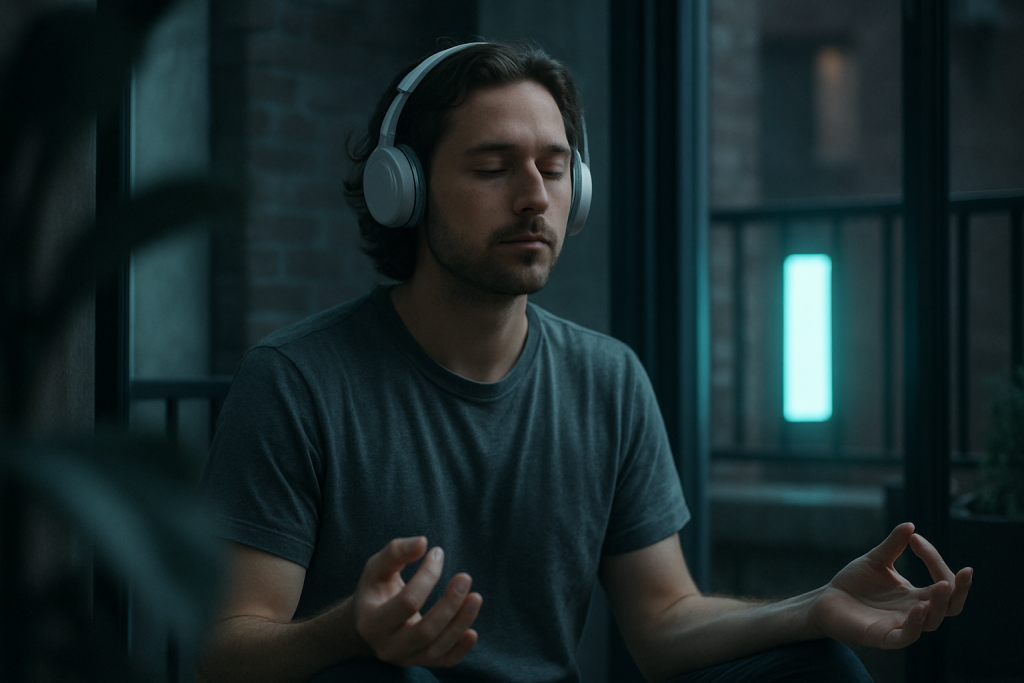
Mindfulness isn’t new. But in 2026, it’s hitting harder and looking a lot different. What started as app based meditations and breathing timers has evolved into something more baked into daily life. We’re talking micro practices: one minute pauses, breathing prompts synced with smartwatches, and calendar blocks titled “just sit.” Mindfulness is no longer set aside for 30 quiet minutes it’s being threaded through the day, in smaller, more sustainable pieces.
And yes, attention spans are part of the equation. These new implementations are designed for minds that bounce between tabs and pings. Think guided focus loops instead of 20 minute sits. Think audio nudges that meet you in the flow of work rather than pulling you out of it.
Workplaces are catching on too. Companies aren’t just offering meditation as a nice to have perk anymore it’s becoming part of onboarding, management, and meetings. There’s a growing awareness that stress impacts productivity, creativity, and retention. Bringing mindfulness into the workday isn’t about being soft; it’s about building mental edge.
For a pulse check on where it’s all going, here’s a deep dive into the latest mindfulness trends.
Functional Food, Revolutionized
Wellness is no longer just a morning smoothie or skipping the drive thru. It’s about tuning into your biology and building a plate around it. The quiet revolution in 2026 is personalized nutrition, led by gut biomarker testing. More people are testing their gut microbiome to create tailored eating plans. It’s not future tech anymore it’s mail in kits and easy dashboards. Food choices are shifting from broad health fads to data backed personal routines.
Also showing up? Brain boosting ingredients in your daily brew. Adaptogens and nootropics once the territory of Silicon Valley biohackers are now part of your average coffee order. Think lion’s mane lattes, ashwagandha mochas, or CBD cold brews with a side of cognitive clarity. The line between your kitchen and your wellness cabinet is getting blurry.
Finally, food isn’t just fuel it’s a form of self expression. As wellness culture bleeds into cuisine culture, chefs, influencers, and creators are experimenting with functional recipes and story driven content. You’re not just eating a snack. You’re optimizing your gut, nourishing your mental clarity, and maybe even going viral while doing it.
Digital Detoxing 2.0

Unplugging used to mean throwing your phone in a drawer and going for a walk. In 2026, it’s more precise, more designed and more necessary. Digital detoxing isn’t about escape anymore; it’s about engineering intentional breaks before burnout sets in. People are curating their screen time with surgical focus: fewer notifications, calendar blocked no tech hours, and apps that shut down other apps.
It’s not just about behavior it’s about environment. New tech is emerging that supports presence and cognitive calm. Think screens with automatic blue light filtering, headphones that reduce digital chatter, and home spaces designed as ‘no screen zones’ with clean design and soft lighting. The future of wellness is micro controlled exposure, not going full Luddite.
And then there are the retreats. From Bali to British Columbia, community led disconnect experiences are on the rise. These aren’t about deprivation; they’re curated alternatives focused on resetting attention, reconnecting with people… and yes, even learning how to enjoy boredom again. The message is clear: less screen, more sense.
Movement as Mental Health
Physical activity is getting a rebrand. It’s no longer just about six packs or burning calories. More people are turning to movement as a tool for managing stress, emotions, and even trauma. Enter the rise of “mental fitness” studios spaces that combine low impact exercise with mindfulness techniques, breathwork, and nervous system regulation. Think less bootcamp, more nervous system reboot.
Gentle movement practices like functional mobility work, somatics, and mindful stretching are moving out of physical therapy clinics and into curated fitness spaces. These workouts don’t scream intensity, but they pack a punch when it comes to mental clarity and emotional balance.
For a growing cohort, the appeal is simple: instead of pushing harder, the goal is to feel better. Movement becomes a way to check in, not check out. Whether through slow flow yoga or a somatic awareness session, this trend signals something important people aren’t just working out their bodies. They’re training their minds, too.
Eco Wellness and Climate Aware Health
In 2026, wellness isn’t just about you it’s about the planet, too. More brands are committing to carbon neutrality, not as a marketing gimmick, but as a baseline expectation. From sourcing to shipping, transparency around environmental impact is becoming non negotiable. Consumers are noticing, and they’re asking hard questions.
Self care is shifting, too. It’s no longer just about what’s good for your skin or your sleep it’s also about what’s gentle on the earth. Biodegradable packaging, refillable containers, and plant based ingredients are becoming industry standard rather than niche.
And let’s talk about climate anxiety. It’s real, and the wellness world is finally taking it seriously. Therapists and digital wellness platforms are layering in environmental grief work supporting people who are feeling overwhelmed by the state of the planet. Programs focus on grounding, action based hope, and reshaping emotional resilience in the face of uncertainty.
Eco wellness in 2026 isn’t just a trend. It’s a necessary evolution.
Where It’s All Headed
The Era of Interconnected Wellness
Wellness in 2026 isn’t just about isolated health habits it’s about synergy. More people are embracing a multidimensional approach to self care that includes:
Body: Nutrition, movement, and recovery practices are increasingly personalized and data informed.
Brain: Mental health is now seen as foundational, not supplemental. Emotional resilience, mindfulness, and digital boundaries matter more than ever.
Planet: Conscious consumption and sustainability are no longer fringe they’re central to wellness decisions.
This shift marks a new level of alignment between personal and planetary wellbeing.
Predictive Health Tech is Changing the Game
Emerging tech is enabling a shift from reactive care to proactive personal health management. Expect to see:
Smart diagnostics that anticipate potential issues before symptoms emerge
Real time biomarker data delivered through wearables and at home testing
Hyper personalized health plans that adapt based on environmental factors and lifestyle inputs
This tech driven future offers custom care solutions that evolve with you making your wellness routine smarter, not harder.
Revisiting Mindfulness in the Bigger Picture
As wellness becomes more complex, mindfulness remains the thread tying it all together. It creates space for awareness, clarity, and choice in every area whether you’re adjusting sleep routines, questioning food choices, or managing screen time.
For a deeper exploration of how mindfulness continues to adapt and lead within the wellness space, take another look at the latest mindfulness trends.
 Founder
Damond Boucherley is the visionary founder of Aura Nature Spark, dedicated to promoting well-being through holistic practices. With a passion for nutrition, exercise, and mindfulness, Damond brings years of experience in health and wellness to the forefront of the organization. He believes in the transformative power of nature and is committed to providing valuable insights and resources that inspire individuals to live their best lives. Under his leadership, Aura Nature Spark continues to grow as a trusted source for health enthusiasts seeking balance and vitality.
Founder
Damond Boucherley is the visionary founder of Aura Nature Spark, dedicated to promoting well-being through holistic practices. With a passion for nutrition, exercise, and mindfulness, Damond brings years of experience in health and wellness to the forefront of the organization. He believes in the transformative power of nature and is committed to providing valuable insights and resources that inspire individuals to live their best lives. Under his leadership, Aura Nature Spark continues to grow as a trusted source for health enthusiasts seeking balance and vitality.